




In crime, the primary part of the need is to possess that which the law breaking
affords us: material possessions, power, or control. But in compulsive crime, we
have already realized that the fruits of the previous crime did not fulfill the
need, and we feel compelled to keep trying.

Criminality, like so
many means of
"acting out", is
primarily a drive for
need fulfillment.
Whether compulsive criminality is driven by the economic or
comfort needs of underprivileged people who are wanting, or the
rich and powerful who are psychologically driven to "break" laws;
without the driving need there is no allure in the crime. Compulsive
criminality is in its origin an emotional drive which precedes mature
adult thought and rational action.
Like other addictions, such as alcohol, drugs, gambling, and promiscuity,
in criminality there is a "buzz" that excites and allures and gives one the
"feeling" that the fulfillment of the fantasy will be a connection to the
need driving it.







Criminality is completely natural and an acceptable form of expression as we mature as
children. It is one of the ways in which we begin to challenge the boundaries which we
perceive to restrain us and do not fulfill our needs. But if the boundaries we challenge
do not notice us and accept us and provide us with appropriate and acceptable
fulfillment of our hidden needs, we are driven to repeat until it does.
If our parents never do fulfill our drive for independence in negative ways, then later on
the society at large, or authority figures become our surrogate parents.
Clearly, when we repeat
we are searching for the
same something, but the
ante must constantly be
upped until . . .
until we receive the
attention and recognition
we crave so deeply.








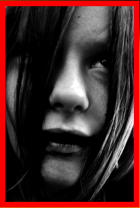


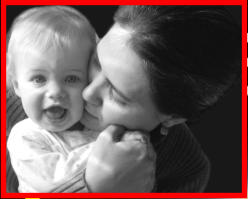



Criminality






"I'm disappointed and angry and lonely!" "If no one
cares about me then I'll . . . ." "You'll be sorry!"
The big difference between crime as an addiction and so many other
victimless addictions, is that the pain which the criminal feels is unfortunately
passed on to ultimately innocent people. The criminal actually feels pleasure
out of the pain of the victims, as if seeing one’s own pain played out by proxy
keeps us safe from our own. This is clearly an advanced form of early
trauma acted out upon symbolic replacement family members in the absence
of the original loving family members, which we longed for as children.
Chronic criminality is a desperate cry from a very sad and
lonely person aching for approval and recognition.
"See me!" "Care for me!"
"Approve of me!" "Notice me!"
"I need!" "I desire!" "I love!"
"Love me!" "Show me that I matter!"
"Someone please help me!"





Page 3




Criminality





It is time to break the chain, to end the cycle and take our power back. The power
goes to the one who meets needs and shows compassion and the one who braves
doing what feels right, instead of continually acting out what clearly went wrong in the
first place.
Your Personal Muse does not pass judgement, but stands by you as you brave to take
your power back. Your power to have compassion for yourself and anyone who has
suffered as a victim of any crime.
The interaction with Your Personal Muse in compulsive criminality rests first on close
companionship and the establishment of trust. Next, it is the focus on finally experiencing the
emotions driving the crime when the crime is resisted or abstained from.
The real crime happened a very long time ago to a very beautiful and innocent child.
Repeating the crime symbolically as an adult to keep pain at bay, or repeating the crime
upon innocents only returns the power each time to the original people who failed us, our
parents.







Page 1
Page 2
Page 4